Let’s be honest: Where is your current medication list right now? Hidden in a drawer? A crumpled piece of paper in your wallet? Or just stored in your head?
As soon as you add painkillers, vitamin supplements, or a new specialist prescription to your daily blood pressure tablets, the "paper-and-pen system" reaches its limits. Digital medication management isn't just a tech gadget - it is your essential safety update for everyday life.
In this article, you’ll discover why switching to an app improves your medication adherence and how it helps you stay ahead at your next doctor’s appointment.

Paper is patient, but unfortunately, it’s static. Does your paper list remind you to take your pill before a meal? Does it warn you if you combine two medications that shouldn't be taken together? No. In the healthcare sector, digitalization means one thing above all: intelligence instead of a disorganized paper trail.
1. Putting an End to "Version Chaos"
How many times have you manually corrected a dosage until the paper became illegible? With a digital solution, you can update your list with a single swipe. You always have a "Single Source of Truth"—the one, guaranteed up-to-date version of your medication. Start your digital medication plan now and confidently toss that old piece of paper away.
2. Proactive Safety vs. Passive Hoping
A piece of paper just sits silently in a corner. An app like brite actively checks in with you. This not only reduces forgetfulness but also prevents dangerous double-dosing because you can check off every dose immediately.
3. The "Completeness Check"
We often forget to mention to the doctor that we "occasionally" use nasal spray or drink St. John's wort tea. In a digital format, you record these items once, and they are permanently anchored in your profile. This is crucial for a comprehensive drug interaction check.
4. Saving Time in the Consultation Room
Instead of painstakingly dictating names and milligram dosages, you simply show your smartphone. Your doctor immediately sees:
- What are you taking?
- Since when have you been taking it?
- How consistent is your medication adherence?
5. Pattern Recognition (Cause & Effect)
Do you often feel tired since increasing your dosage? An app helps you directly link symptoms like dizziness or nausea to your specific intake times. This allows you and your doctor to determine much faster whether a side effect is present.
6. Support for Polypharmacy (Multiple Medications)
The more active ingredients involved, the more complex the chemistry becomes. Digital management keeps track of necessary intervals—for example, ensuring you don't take Calcium at the same time as L-Thyroxine. No slip of paper can provide that level of oversight.
7. Mental Relief and Peace of Mind
The greatest benefit is psychological: you outsource the "remembering" to your smartphone. This frees your brain from constant mental checking and creates space for a better quality of life.
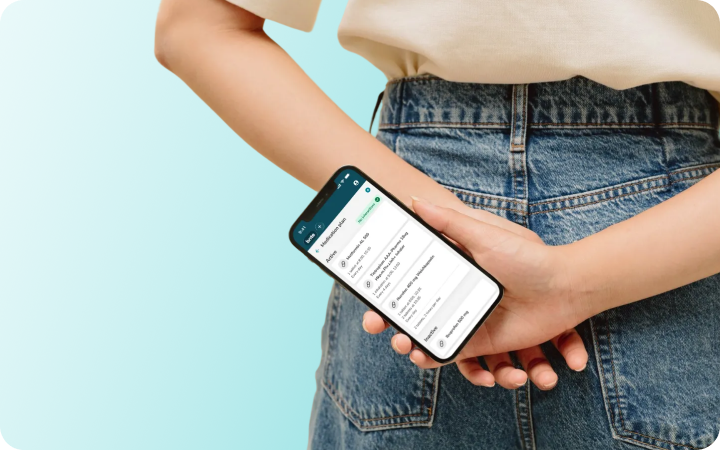
Not every app is built for the demands of daily medical life. Here is what you should look for:
Data Privacy: Your health data belongs to you. Ensure the app uses end-to-end encryption and follows strict "Data Sovereignty" principles.
Intuitive Usability: Entering information should take seconds, not minutes. A seamless user interface (UI) is vital for long-term consistency.
Offline Accessibility: You must be able to access your medication list even in "dead zones"—like hospital basements or areas with poor reception.

