Bloating: Causes, what helps & warning signs

Bloating is widespread, but often feels uncomfortable and bothersome. Whether it's a painful bloated stomach after eating or a constant feeling of fullness due to stress, the causes range from diet to hidden side effects. Here you'll learn how to classify your symptoms, what really helps in everyday life, and how to use brite to check if your medication is affecting your digestion.

Better understanding flatulence

In short & important: What you
can do right now

If your stomach is currently bloated and uncomfortable, these steps will help provide quick relief:

Apply heat

A hot water bottle or a warm cherry pit pillow relaxes the intestinal muscles and helps to release gas.

Slow breathing

Breathe in deeply into your abdomen and out very slowly to calm your nervous system and intestines.

Gentle movement

A short "digestive walk" gets the bowel moving and helps to release gas.

Check

Have you started a new medication or are you also suffering from abdominal pain ?

Drinking tea

Fennel, caraway or anise tea has antispasmodic and carminative effects.
Important: If the abdomen is rock hard, no stool or gas is passed, or a high fever develops: Seek medical help immediately.

Understanding flatulence – What happens in the body

Flatulence is caused by gas accumulation in the gastrointestinal tract. This can occur through swallowed air while eating or through natural fermentation processes by intestinal bacteria. A bloated stomach (meteorism) develops when the gas is not expelled quickly enough. While occasional flatulence is normal, chronic symptoms can indicate food intolerances or an imbalance in the gut flora.

Common causes of bloating

Why does your intestines produce too much gas? These triggers are particularly often the cause:

Nutrition & air swallowing (gas after eating)

Eating too quickly, consuming carbonated drinks, or bloating foods (cabbage, legumes, onions) are classic culprits. Sugar substitutes in "sugar-free" products also often lead to severe bloating.

Intolerances & Gut Flora

If the body cannot properly process lactose, fructose, or gluten, these substances ferment into gas in the large intestine. The intestinal flora can also be disrupted after a course of antibiotics.

Stress & the gut-brain axis

When stressed, the body switches to "survival mode" and slows down digestion. As a result, food stays in the intestines longer and begins to ferment. Read more about stomach aches caused by stress here.

Medications as a "bloating trigger"

An often underestimated factor: Many medications (e.g., certain diabetes drugs, painkillers, or iron supplements) alter bowel movements or bacterial composition, which can lead to bloating.

Is it due to your medication? Get to the bottom of it now.

Especially with chronic bloating, there's a good chance your medication is playing a role. brite helps you bring structure to your search for the cause:


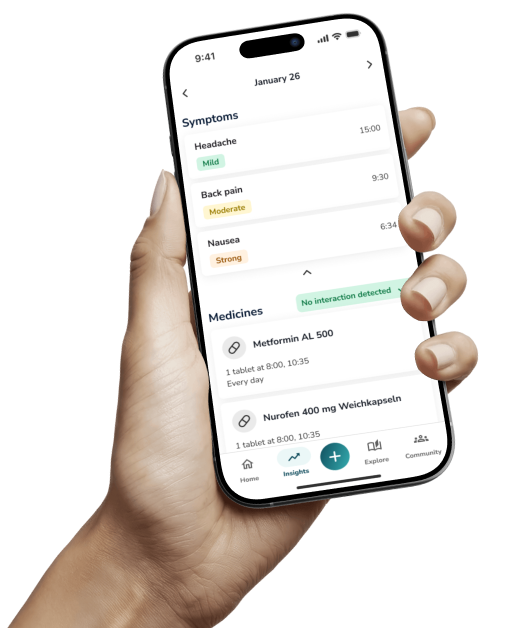
Digital medication plan : Record all medications and check whether the bloating correlates with a new intake or dose change.
Drug interaction check : Find out if your combination of medications slows down digestion and thus causes bloating.
Medication reminder : A stable routine prevents irregularities that could further stress your gut.

When should you have bloating checked by a doctor? (Warning signs)

Bloating is usually harmless, but you should see a doctor if:

the symptoms are new and persist for weeks.
You also notice blood in your stool.
Unintentional weight loss or severe loss of appetite may occur.
The bloating may be accompanied by severe abdominal pain or nausea.

Preparing for your doctor's appointment – ​​your checklist

To quickly find the cause, your doctor needs precise information:

Timing

Do the bloatings occur directly after eating or independently of eating?

Nutrition

Are there any foods you react to particularly strongly?

Stool

Has the consistency or frequency changed recently?

Medications

Bring your complete list from the Brite app – over-the-counter medications and vitamins are also important!

How Brite helps you keep track of everything

brite brings structure to your everyday life and helps you find the cause of your bloating:

Centralized medication plan for maximum transparency during doctor's visits.
Examination of drug interactions in cases of digestive problems.
Stable routines thanks to the medication reminder.
Frequently asked questions about flatulence
What helps quickly against a hard, bloated stomach?
Why do I have gas at night?
Can diabetes medications cause bloating?
Do probiotics help?
What to do about bloating and diarrhea?
Wie kann mich der digitale Behandlungsbereich von
Welche Funktionen bietet mir der digitale Behandlungsbereich?
Woher kommen die Informationen und Inhalte?
Kann ich meine Ergebnisse auch mit meinem Arzt/meiner Ärztin teilen?
Sind meine Daten sicher?