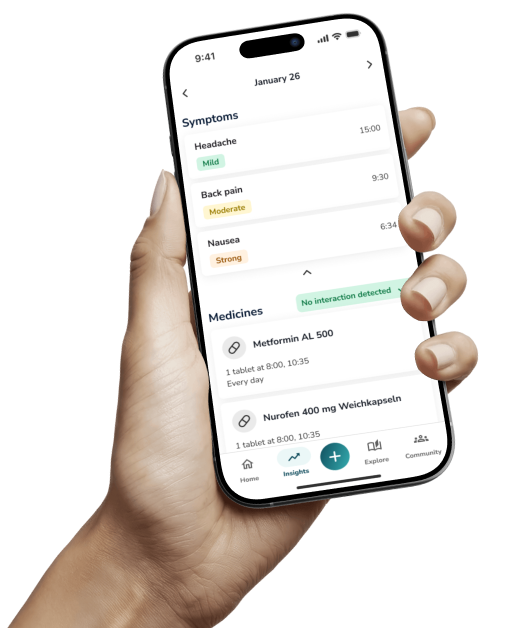
When your heart suddenly pounds in your chest, it often causes immediate concern. Whether it's a racing heart at night, after eating, or suddenly while resting: Here you'll learn what the underlying causes might be, how to correctly interpret warning signs, and how to use brite to check if your medication is affecting your heartbeat.
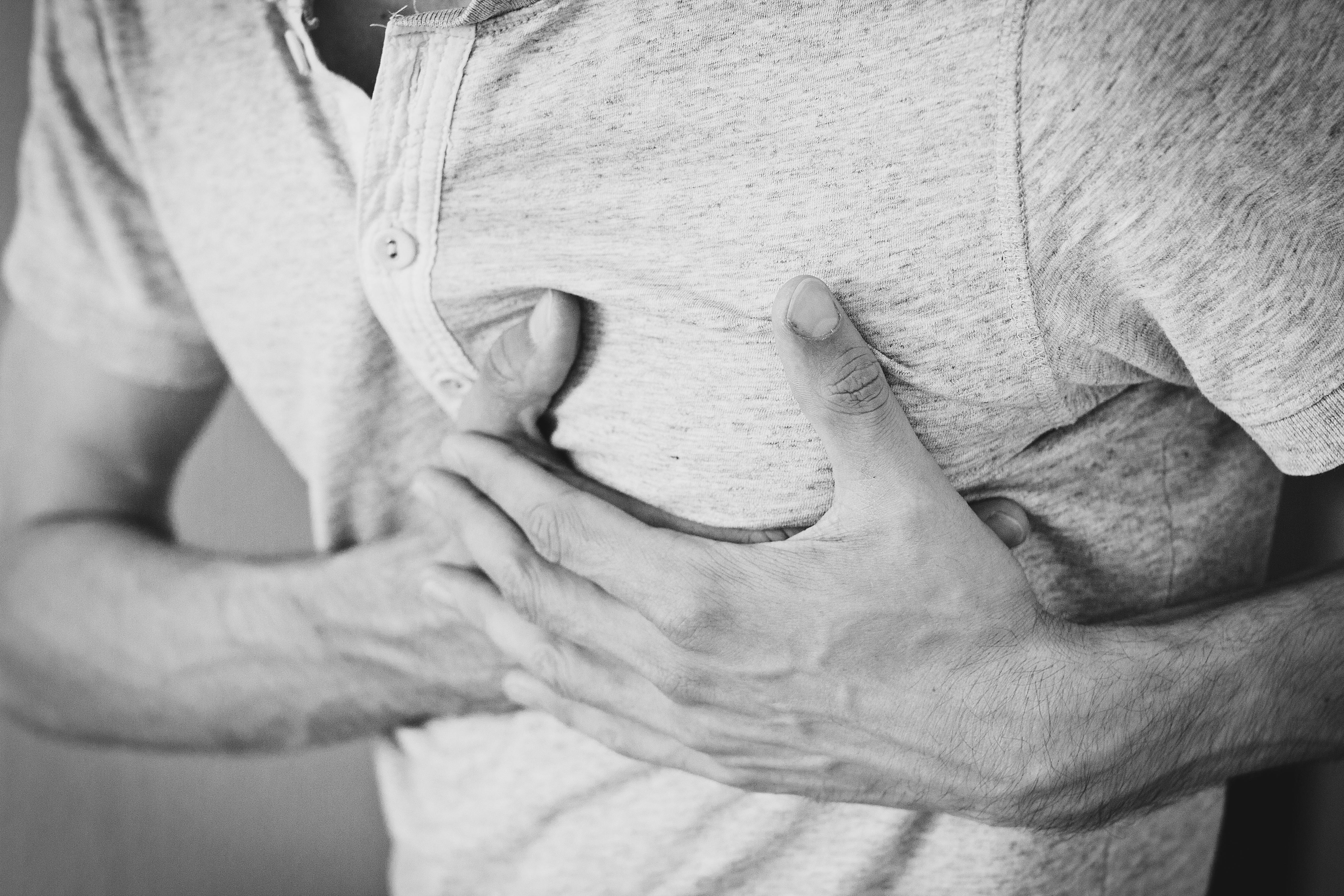


A racing heart (tachycardia) means your heart is beating faster than the current situation requires. At rest, a normal pulse is between 60 and 100 beats per minute. Many people experience a racing heart as a "throbbing" in the throat or a "fluttering" in the chest. Often it's a harmless reaction to adrenaline, but it can also be a sign of circulatory instability or interactions with your medications.

Especially if you experience a new onset of heart palpitations, it's crucial to review your medication. brite helps you understand the connection between your medication and your pulse: