What is RSV?
RSV stands for respiratory syncytial virus. It is a virus found worldwide that is transmitted by droplets. RSV can cause severe illness in certain risk groups.
Learn more Register
RSV stands for respiratory syncytial virus. It is a virus found worldwide that is transmitted by droplets. RSV can cause severe illness in certain risk groups.
Learn moreRespiratory syncytial virus (RSV) is a widespread virus that infects the airways. In principle, anyone can contract RSV. In infants and older adults, however, an RSV infection is more likely to take a severe course. That is why it is particularly important for these groups to protect themselves against RSV. For certain age and risk groups, STIKO expressly recommends an RSV vaccination. Ask your doctor or pharmacist whether an RSV vaccination is recommended for you and how you can best protect yourself.
Learn moreAsthma is a chronic inflammatory disease of the airways. Because of the persistent inflammation, the airways react more strongly to external stimuli and can narrow. Respiratory infections such as RSV can further increase the inflammation, worsen asthma symptoms and trigger asthma attacks.
Learn more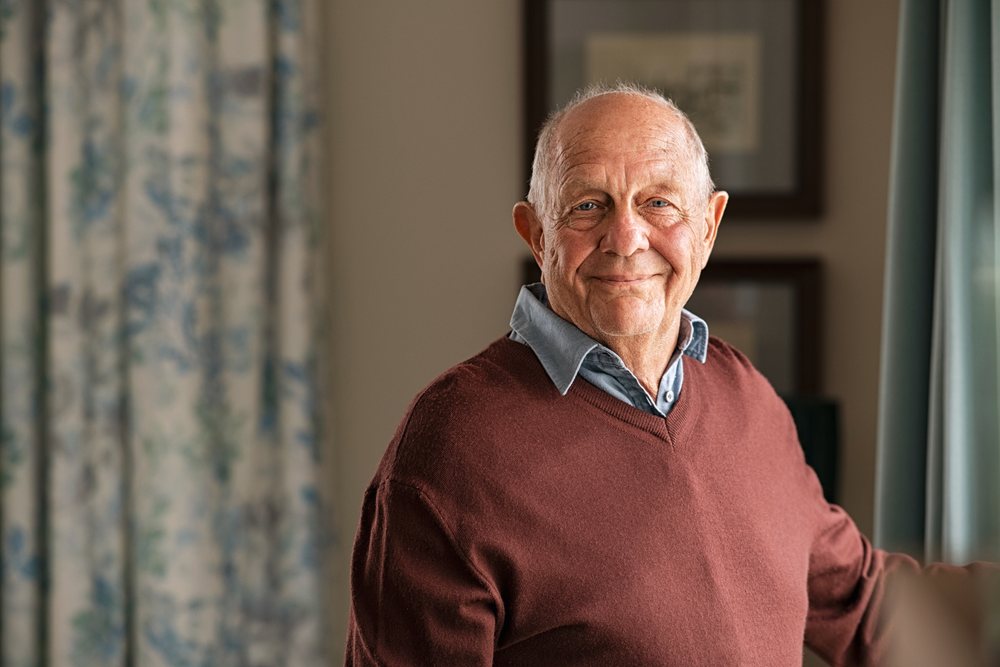 Reading time approx. 8 minutes
 Reading time approx. 8 minutes
 Reading time approx. 8 minutes
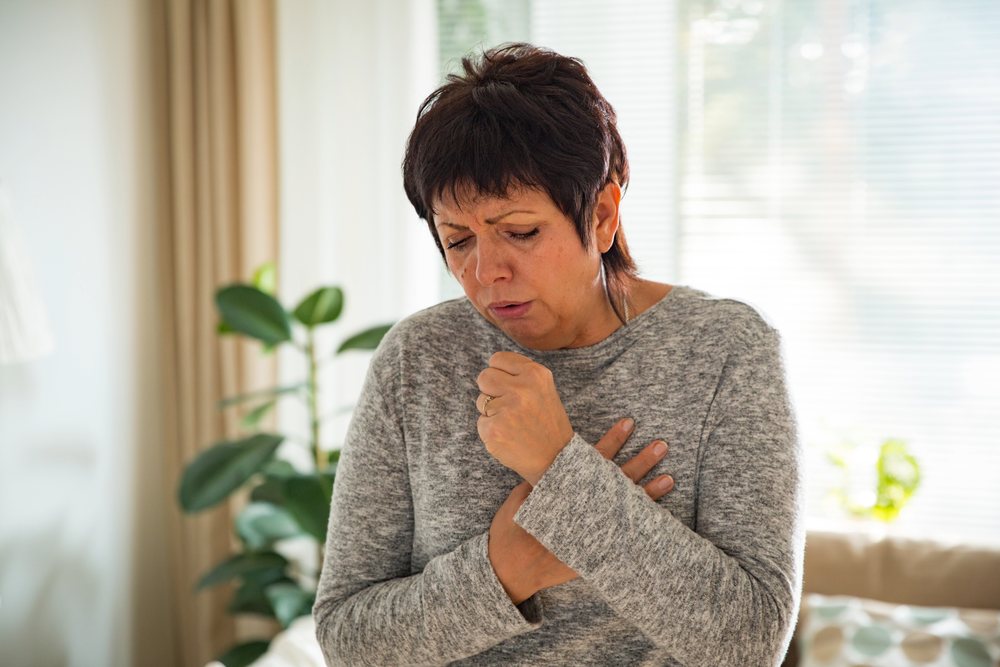
Respiratory syncytial virus (RSV) is a widespread pathogen of respiratory diseases that poses a serious risk, particularly for older people and people with pre-existing chronic conditions. If the immune system is weakened or there are existing lung problems, an infection can be severe and lead to complications such as bronchitis or pneumonia.
People aged 75 and over, or aged 60 and over with certain underlying conditions, are at increased risk of severe RSV-related respiratory infections and, as a result, of hospitalisation or death. An RSV vaccination can help prevent this and is intended to protect this group. It is also meant to prevent RSV outbreaks and their consequences in care facilities.
Whether a vaccination against respiratory syncytial virus (RSV) may be useful for you depends on several factors, including your age and your state of health.
The Standing Committee on Vaccination (STIKO) currently recommends a one-time RSV vaccination for:
For younger people under 60, there is currently no general vaccination recommendation from STIKO. However, in certain individual cases, for example in the case of serious chronic illnesses, vaccination may also be useful at a younger age.
Therefore, discuss the topic individually with your attending physician. Together you can decide whether the vaccination may be advisable for you personally.
If possible, the RSV vaccination should take place in September or at the beginning of October in order to offer the best possible protection in the following RSV season (October to March). In certain cases, for example when there is an increased risk or before planned stays in care facilities, vaccination may still be useful at a later date. Please talk to your doctor to decide together on the best time for your vaccination.
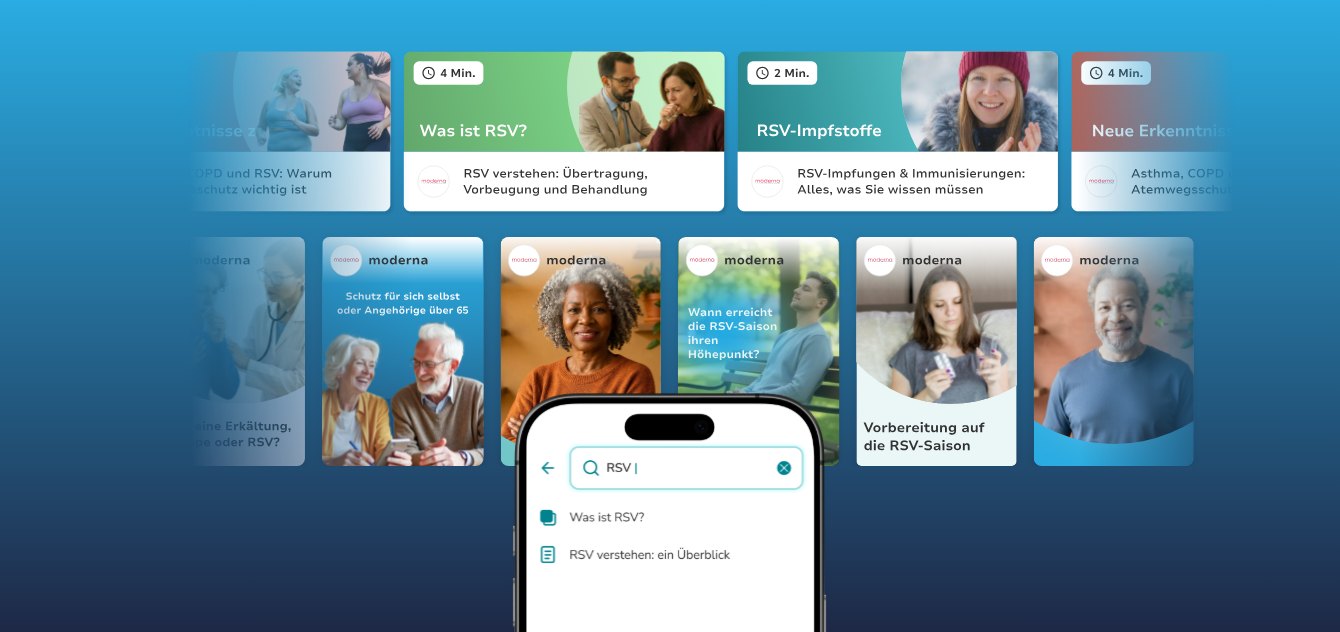
Discover the new digital support with reliable information reviewed by medical experts.